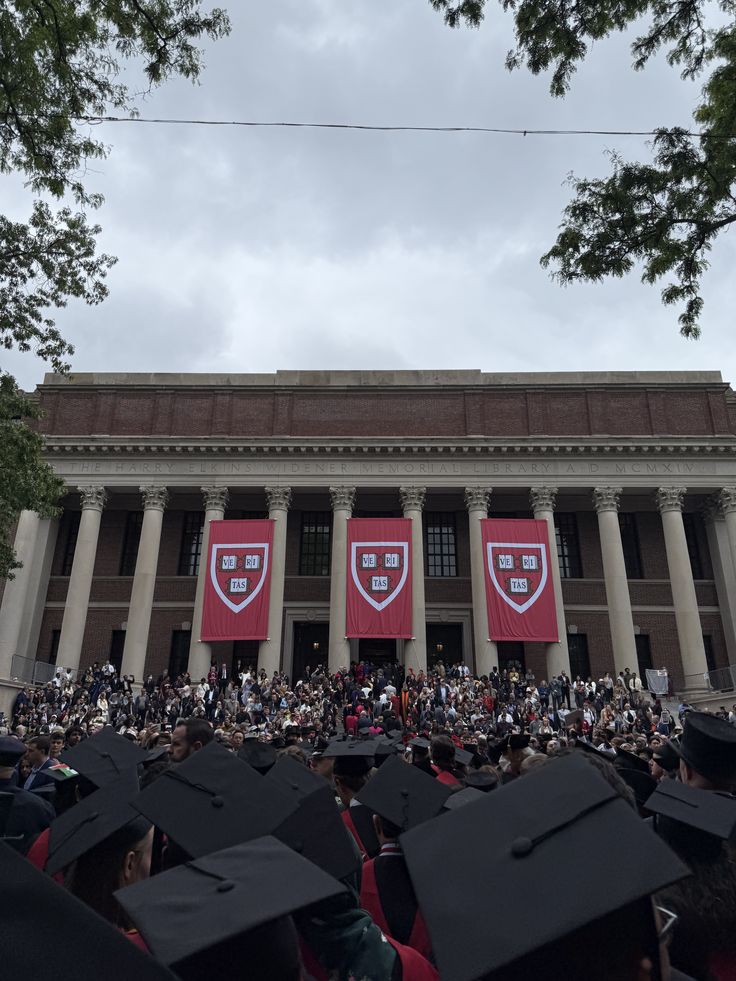
Princeton University ranks #1 Best National University and #1 Best Value School by U.S. News in 2026, leading the Ivy League pack! Founded in 1746, Princeton is one of the oldest and most prestigious universities in the country. With top-tier academics, a world-renowned reputation, and a global-reaching alumni network, Princeton can seem like the clear choice. However, attending comes with its own unique challenges worth considering. In this guide, we'll explore curriculum, connections, campus culture, costs, and more, as we compare the pros and cons of this distinguished school to help you decide if it’s the best fit for you!
Key Takeaways: Princeton University Pros and Cons in 2026
Princeton University Pros and Cons Comparison
Category
Pros
Cons
Prestige & Reputation
Top-tier reputation: An Ivy League school ranked #1 in the US, with a long history and well-known alumni like Woodrow Wilson and Sonia Sotomayor
Highly selective: ~4.6% acceptance rate makes admissions extremely competitive
Undergraduate Focus
Undergrad-first model: Small classes and a 5:1 student-to-faculty ratio mean more access to professors and mentorships
Fewer graduate degree options: No law, medical, or business school limits on-campus professional pathways
Academic Culture
Deep academic experience: Strong focus on independent work and the senior thesis helps students build real research skills
Challenging grading: Grade deflation and heavy workloads can make it hard to maintain a high GPA
Programs & Research
Strong core programs: World-class departments and resources like the School of Public International Affairs, Molecular Biology, and Princeton Physics Lab offer great research opportunities
Less pre-professional variety: Fewer specialized programs compared to universities with large graduate schools
Financial Aid & Access
Exceptional financial aid: Need-based only, no loans, and most students graduate debt-free
High sticker price: Total cost is close to $95K per year before aid
Campus Environment
Classic collegiate ambiance: A tree-lined, walkable campus with residential colleges and historic Gothic landmarks
Contained feel: The campus is somewhat self-contained, contributing to the “orange bubble” effect
Location & Geography
Well-positioned: A quiet suburban college town in Princeton, NJ, with access to NYC and Philadelphia via Princeton Junction and TigerTransit
Limited city life: Not ideal for those seeking a fast-paced, urban experience
Social Life System
Strong traditions: Eating club reunions and events like P-rade create a unique social culture and built-in network
Social divisions: The eating club system can feel exclusive, especially during the bicker process
Student Life & Routine
Tight-knit community: A smaller student body and residential college system foster belonging
Campus-centered life: Most social activity stays on campus, which can feel limiting
Traditions & Events
Unique traditions: Events like reunions, Triangle Club shows, and FitzRandolph Gate ceremonies build school spirit
Hard to break into: Some traditions can feel confusing or difficult at first
Alumni Network & Outcomes
Powerful connections: A global alumni network (“TigerNet”) with graduates like Jeff Bezos and Michelle Obama
Connection-driven culture: Success can depend on how well you leverage networks
Where Princeton University Is Located and Why It Matters
Princeton University is nestled in the treelined suburban town of Princeton, New Jersey. This residential college campus is conveniently located within 50 miles of both New York City and Philadelphia, and offers four seasons and a classic collegiate atmosphere.
#1 in the Nation: Academic Reputation and Undergraduate Focus
Princeton consistently ranks as the #1 National University in the U.S., due to its academic reputation, undergraduate focus, and strong emphasis on independent learning. Unlike many large research universities, Princeton is built around a small, undergraduate-centered model where students work closely with faculty and are encouraged to develop deep academic skills through research and independent study.
Key strengths of Princeton’s academic focus:
Top national ranking and global reputation as one of the most prestigious Ivy League universities
Undergraduate-first model with a 5:1 student-to-faculty ratio and small class sizes
Senior thesis requirement, which builds advanced research, writing, and analytical skills
Strong faculty access and mentorship, with professors actively involved in undergraduate teaching
Highly respected academic departments in fields like economics, computer science, public policy, and molecular biology
World-Class Programs and Research: From Molecular Biology to the Plasma Physics Lab
The Best Financial Aid in the Ivy League: How the No-Loan Policy Works
Princeton’s admissions process, led by Dean of Admissions and Financial Aid Karen Richardson, emphasizes academic excellence, personal character, and intellectual curiosity. Like other Ivy League schools, Princeton does not offer athletic scholarships, instead providing need-based aid to student athletes.
Key Financial Aid Features
Need-based financial aid only (no merit scholarships)
Financial aid budget: ~$327 million
Pell Grant recipients: ~21%
First-generation students: ~17–18%
Socioeconomic diversity increasing
How the No-Loan Policy Works
Loans eliminated in 2001
Debt-free graduation (~83%)
Need-based system only
Financial System
PRINCO (Princeton Investment Company) manages an endowment
Aid expansion tied to endowment tax strategy
Princeton University Costs
Category
Value
Tuition & Fees
$65,210
Total Cost of Attendance
~$94,624
Average Financial Aid
$80,000+
Net Price of Aid Recipients
~$10,380
Families Paying $0 Tuition
Income up to $150,000
Reduced Tuition Threshold
Income up to $250,000
What Princeton Actually Costs After Aid in 2026
Princeton University Tuition Financial Aid
Income Level
Cost Outcome
Up to $150K
$0 tuition
Up to $250K
Reduced Tuition
Aid recipients
~$10K net
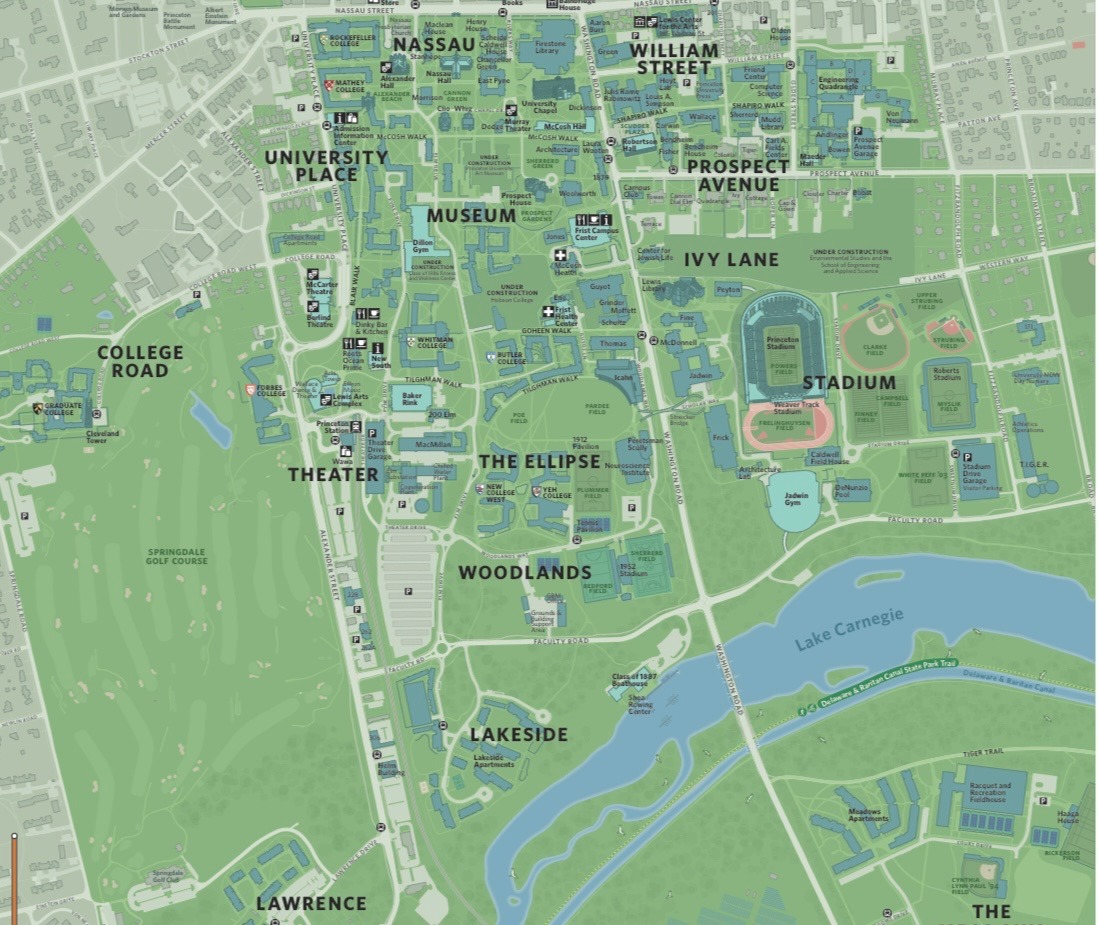
A Campus Built for Students: Residential Colleges, Firestone Library, and More
Princeton’s campus is built around its residential college system and student-centered facilities.
Campus Infrastructure
Nassau Hall (1756)
Firestone Library
Frist Campus Center
Graduate College / Procter Hall
Residential Colleges
Whitman
Mathey
Butler
Forbes
Rockefeller
Yeh
New College
The Eating Clubs and Traditions That Make Princeton Unique
Eating clubs are Princeton's version of Greek life. Instead of rushing sororities and pledging fraternities, you have the opportunity to pay to join an eating club. Each club has its own building that houses a dining hall with chef-prepared meals. Dining together throughout the year with the same group of people builds strong connections and meaningful friendships.
These clubs are reserved for upperclassmen and are completely optional. Although the majority of upperclassmen participate, students can always choose to simply pay for the campus meal plan or take care of their meals on their own. Beyond dining, these clubs also offer study spaces, social events, and community service opportunities.
Eating Club Details
Private social and dining organizations for upperclassmen
Students can join beginning their second semester of sophomore year
Each club has anywhere from 100 to 250 members
Every year, all of the eating clubs join together for a large charity fundraiser: Truck Fest
Serve as both daily dining spaces and social hubs
Participation is optional, but highly influential in student life
11 eating clubs: located on Prospect Avenue, “The Street”
The eating clubs are split into two systems:
Bicker Clubs: selective membership
Cannon Dial Elm
Cap and Gown
Cottage Club
Ivy Club
Tiger Inn
Tower Club
Sign-In Clubs: open membership
Colonial
Cloister Inn
Quadrangle
Terrace
Charter
Key Processes and Events
Bicker process: a selective admissions system for some clubs
Street Week: recruitment period for eating clubs
Princeton Reunions: major annual alumni event
P-rade: parade during Reunions featuring alumni and students
Pre-rade: traditional freshman walk through FitzRandolph Gate
Mandatory meal plan (Fall 2026): new policy increasing structured dining on campus
A Network That Opens Doors: TigerNet, Notable Alumni, and Career Outcomes
Networking and connection building are big driving factors behind attending a school like Princeton. With such successful alumni and powerful organizations, attending Princeton can open up strong career opportunities and connections.
Notable Alumni
Michelle Obama
John F. Kennedy
F. Scott Fitzgerald
Woodrow Wilson
Sonia Sotomayor
Jeff Bezos
Eric Schmidt
Popular Organizations
TigerNet: alumni network
American Whig-Cliosophic Society
Princeton Triangle Club
Daily Princetonian
Interclub Council
THE CONS
The Orange Bubble
The “orange bubble” describes Princeton’s self-contained campus culture, where most student life stays within the university and the nearby town of Princeton, New Jersey. While this creates a strong sense of community, it can also mean limited off-campus interaction and a very campus-centered social experience.
Limited off-campus interaction
Highly concentrated student culture
No Law School, No Medical School, No Business School
Princeton does not have professional graduate schools like law, medicine, or business because it is focused almost entirely on undergraduate education and research. This supports small classes and close faculty mentorship, but means students must look elsewhere for those professional degrees.
Strategic undergraduate focus
Students must pursue graduate degrees elsewhere
The 8% Endowment Tax and the "Don't Harvard Our Princeton" Debate
In 2025, an 8% endowment tax under TCJA raised concerns about how elite universities like Princeton fund financial aid, since a large portion of their aid system depends on endowment returns. The phrase “Don’t Harvard Our Princeton” emerged on campus as a way of pushing back against fears that Princeton would become more like other Ivy League schools that are perceived as less generous or more commercially driven, hoping to protect Princeton’s strong need-based aid model.
Mental Health, Pressure, and Are Princeton Students Happy
Princeton’s academic environment is intense, with high expectations, the senior thesis, and a competitive peer group. While many students feel satisfied and supported, experiences vary, and some students report stress or imposter syndrome.
High academic expectations
Imposter syndrome
Mixed student satisfaction
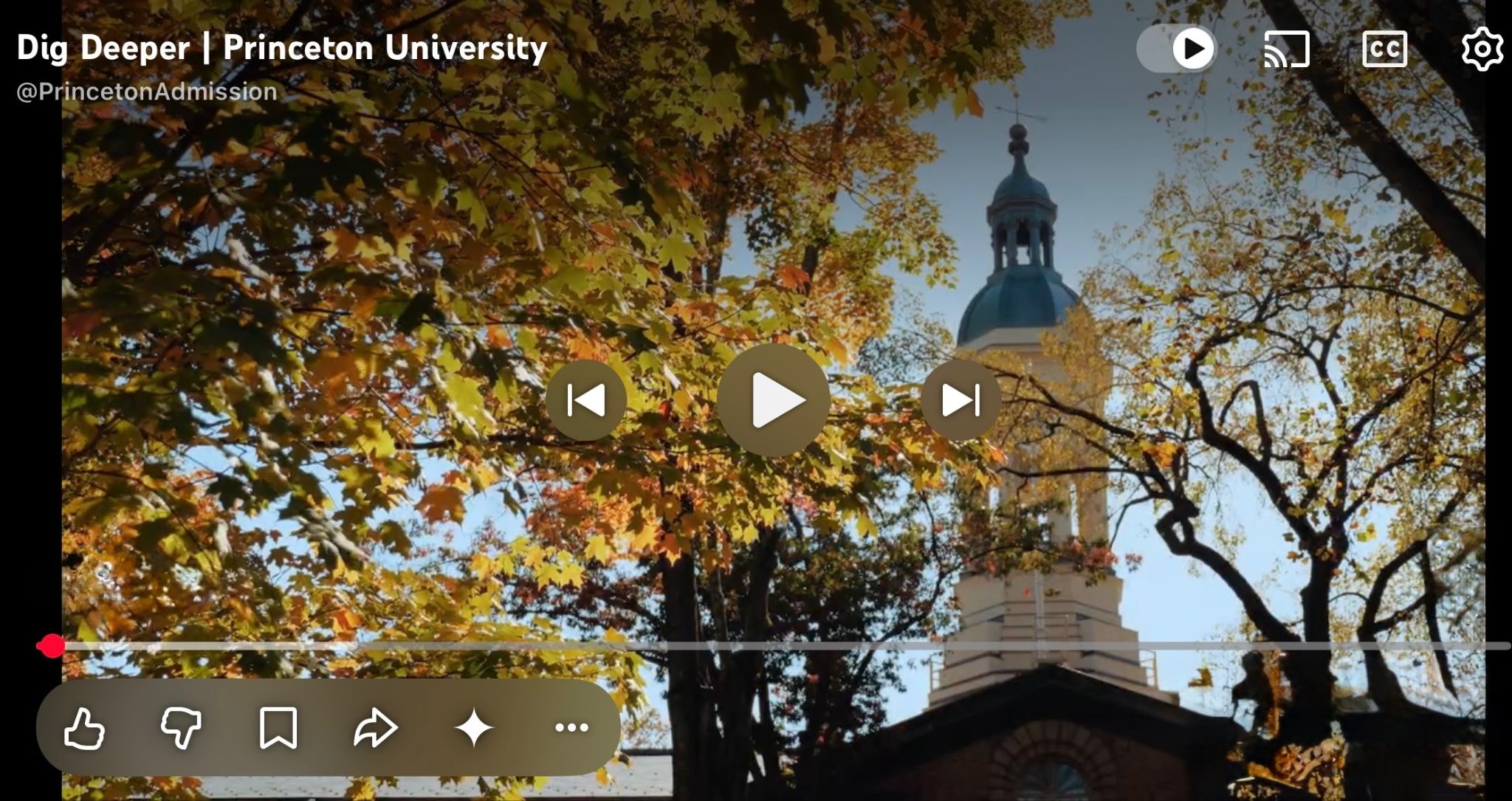
Get motivated with this inspiring video from the Princeton admissions team:
Princeton typically releases Early Action decisions in mid-December, while Regular Decision results come out in late March.
Are Princeton students happy?
Most students say they are academically very satisfied, but social experiences can vary quite a bit depending on the student and their involvement on campus.
Why doesn’t Princeton have a law school?
Princeton doesn’t have a law school because it’s primarily focused on undergraduate education rather than maintaining professional graduate schools.
What is the difference between Princeton and Princeton Junction?
Princeton is the university town where the campus is located, while Princeton Junction is a nearby transit hub connecting the area to larger cities.
Does Princeton offer merit scholarships?
No, Princeton does not offer merit scholarships and instead provides only need-based financial aid.
What is the PFAA, and how does it differ from the FAFSA?
The PFAA, or Princeton Financial Aid Application, is Princeton’s own more detailed financial aid form that’s used alongside or instead of the FAFSA for institutional aid decisions.
Princeton has a solid mix of both strong advantages and real challenges. It boasts a top reputation, generous financial aid, intense academics, and a unique social structure. The university has a lot to offer, but it also demands a lot from you. Whether this balance suits you depends on what you want from your college experience.
Is Princeton right for you? From top prestige to high competition, weigh the pros and cons of Princeton for yourself and make the best decision for your academic, career, and personal goals.
Compare more IVY League universities and check out Indigo’s blogs featuring the pros and cons of Columbia University and the pros and cons of Duke University. Students interested in joining Harvard’s research-driven academic environment can benefit from completing an independent research project. Programs like Indigo Research help students build research skills and develop original work that strengthens college applications. Participants in Indigo programs have shown a 3.14x higher acceptance rate to Ivy League universities than the global average!
Kelsey Ludeman brings expertise as a Learning Strategist, Academic Success Advisor, Educational Technology Consultant, and Certified Teacher. She holds a B.S. in Education from Texas State University and develops impactful resources that empower students, parents, and educators. Her work focuses on advancing student success, leveraging technology, and providing guidance to help learners achieve their academic and career goals.
See more
About the autor
Kelsey Ludeman
Kelsey Ludeman brings expertise as a Learning Strategist, Academic Success Advisor, Educational Technology Consultant, and Certified Teacher. She holds a B.S. in Education from Texas State University and develops impactful resources that empower students, parents, and educators. Her work focuses on advancing student success, leveraging technology, and providing guidance to help learners achieve their academic and career goals.
Compare more IVY League universities and check out Indigo’s blogs featuring the pros and cons of Columbia University and the pros and cons of Duke University. Students interested in joining Harvard’s research-driven academic environment can benefit from completing an independent research project. Programs like Indigo Research help students build research skills and develop original work that strengthens college applications. Participants in Indigo programs have shown a 3.14x higher acceptance rate to Ivy League universities than the global average!
Compare more IVY League universities and check out Indigo’s blogs featuring the pros and cons of Columbia University and the pros and cons of Duke University. Students interested in joining Harvard’s research-driven academic environment can benefit from completing an independent research project. Programs like Indigo Research help students build research skills and develop original work that strengthens college applications. Participants in Indigo programs have shown a 3.14x higher acceptance rate to Ivy League universities than the global average!


.png)

.avif)